
Rear Main Seal (RMS)
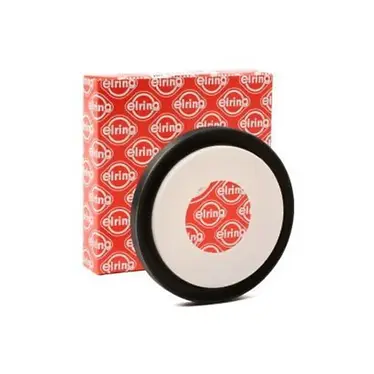
The rear main seal, commonly referred to as the RMS, is a critical engine seal located at the back of the engine where the crankshaft exits to connect with the transmission. Its job is to keep engine oil contained inside the engine while allowing the crankshaft to rotate smoothly.
On the Porsche 996 and 997, the rear main seal has gained attention because leaks are relatively common as the seal ages or wears. While an RMS leak is not usually catastrophic on its own, it can lead to oil loss, clutch contamination, and additional maintenance concerns if left unaddressed.
Understanding the role of the RMS and addressing leaks early helps protect engine components, maintain proper lubrication, and preserve the overall reliability and cleanliness of your Porsche 996 and 997.
Common Rear Main Seal (RMS) Leak Symptoms
An RMS leak on a Porsche 996 or 997 often develops gradually and may not cause immediate drivability issues. However, there are several signs that can indicate the rear main seal is beginning to fail:
-
Oil drips or spots under the rear of the engine or near the transmission area
-
Oil residue on the transmission bell housing observed during inspection or service
-
Low engine oil level requiring more frequent top-offs
-
Burning oil smell, especially after driving, as oil contacts hot components
-
Clutch slippage or chatter in manual transmission vehicles if oil contaminates the clutch
While RMS leaks are usually not sudden failures, ignoring them can lead to additional problems, including clutch damage and increased oil loss. Addressing an RMS leak early helps prevent more extensive repairs and keeps your Porsche 996 or 997 operating cleanly and reliably.
Preventive Replacement Timing for the RMS
One of the challenges with IMS bearing issues is that they often provide little or no warning before failure. However, in some cases, there may be signs that indicate a developing problem. Possible symptoms include:
-
Metal debris in the engine oil or oil filter found during an oil change
-
Unusual engine noises, such as rattling or knocking from the rear of the engine
-
Check engine light or timing-related fault codes
-
Engine misfires or rough running that cannot be linked to other common causes
-
Oil leaks near the rear of the engine, sometimes associated with the IMS flange area
It is important to note that many IMS bearing failures occur without noticeable symptoms. This unpredictability is why routine inspections and preventive upgrades are strongly recommended for Porsche 996 owners.
If any of these warning signs are present, the vehicle should be inspected immediately to avoid the risk of catastrophic engine damage.
Is There a Permanent Replacement or Repair?
Over the years, Porsche made design updates to the rear main seal to improve durability and reduce the likelihood of leaks. Early versions of the RMS were more prone to seepage due to seal material limitations and sensitivity to slight crankshaft movement. As the engine aged, these factors could allow oil to escape past the seal.
Updated RMS designs use improved sealing materials and refined dimensions that better tolerate heat, engine vibration, and normal crankshaft movement. These changes allow the seal to maintain consistent contact with the crankshaft surface, even as components expand and contract during normal operation.
Later seal designs also benefit from improved installation techniques and tooling, which help ensure the seal is positioned correctly and evenly during replacement. Proper installation plays a major role in seal longevity and leak prevention.
While no rear main seal can last forever, these design improvements have significantly reduced the frequency and severity of RMS leaks on serviced Porsche 996 engines. When combined with preventive replacement during clutch or IMS service, updated RMS components offer long-term reliability and peace of mind for owners.