
Intermedia Shaft Bearing (IMS)
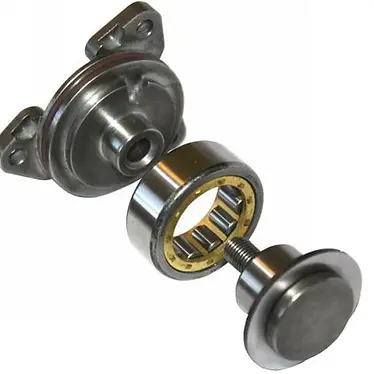
The intermediate shaft bearing, commonly known as the IMS bearing, is a critical internal component in the Porsche 996 engine. Its purpose is to support the intermediate shaft, which helps drive the camshafts and keep engine timing synchronized. When functioning properly, the IMS bearing allows the engine to operate smoothly and reliably.
The Porsche 996 IMS bearing has become well known because, in certain model years and engine configurations, it is prone to premature failure. Unlike many wear components, IMS bearing failure can occur without much warning and may result in severe internal engine damage. For this reason, the IMS bearing is one of the most important reliability concerns for Porsche 996 owners.
Understanding how the IMS bearing works and why it matters is essential for protecting your engine and preserving the long-term value and performance of your Porsche.
What Causes IMS Failure?
IMS bearing failure on the Porsche 996 happens primarily because of the original bearing design and how it is lubricated. In many 996 engines, the IMS bearing is a sealed unit that relies on grease rather than a constant supply of engine oil. Over time, that grease can break down or dry out due to heat and age, leaving the bearing without proper lubrication.
As the bearing wears, internal clearances increase and the bearing can begin to fail. Because the IMS bearing supports the timing system, a failure can cause the engine’s internal timing to go out of sync. When this happens, internal engine components can collide, often resulting in severe engine damage.
Other factors can increase the risk of IMS failure, including infrequent driving, long oil change intervals, and age rather than mileage. Vehicles that sit for extended periods may actually be more at risk, as the bearing does not receive regular movement or lubrication.
The challenge with IMS failure is that it often provides little to no warning before it occurs. That is why many Porsche 996 owners choose to address the IMS bearing proactively rather than waiting for a problem to appear.
What are Symptoms of a Failing IMS?
One of the challenges with IMS bearing issues is that they often provide little or no warning before failure. However, in some cases, there may be signs that indicate a developing problem. Possible symptoms include:
-
Metal debris in the engine oil or oil filter found during an oil change
-
Unusual engine noises, such as rattling or knocking from the rear of the engine
-
Check engine light or timing-related fault codes
-
Engine misfires or rough running that cannot be linked to other common causes
-
Oil leaks near the rear of the engine, sometimes associated with the IMS flange area
It is important to note that many IMS bearing failures occur without noticeable symptoms. This unpredictability is why routine inspections and preventive upgrades are strongly recommended for Porsche 996 owners.
If any of these warning signs are present, the vehicle should be inspected immediately to avoid the risk of catastrophic engine damage.
Preventative vs Reactive Repair
When it comes to the IMS bearing on a Porsche 996, owners are often faced with two options: addressing the issue proactively or waiting until a problem occurs. Understanding the difference can help you make an informed decision.
Preventive IMS Service
Preventive repair involves replacing or upgrading the IMS bearing before it fails. This is typically done during a scheduled service, often combined with a clutch replacement or other planned maintenance. Preventive IMS upgrades are designed to improve lubrication and durability, significantly reducing the risk of engine damage. Addressing the IMS bearing early allows you to control the timing, cost, and scope of the repair while protecting the long-term reliability and value of the vehicle.
Reactive IMS Repair
Reactive repair occurs after the IMS bearing has already failed or begun to fail. Unfortunately, IMS failure often causes severe internal engine damage, which can include bent valves, damaged pistons, or destroyed engine cases. In many situations, the only solution is a full engine rebuild or replacement. This type of repair is far more expensive, unpredictable, and disruptive than preventive service.
Why Preventive Repair Makes Sense
Because IMS bearing failure often happens without warning, waiting for symptoms can be risky. Preventive service is typically a fraction of the cost of an engine rebuild and offers peace of mind for Porsche 996 owners. Proactively addressing the IMS bearing helps ensure reliable performance and protects one of the most critical components of the engine.
How Does IMS Upgrade Improve Reliability?
IMS upgrades are designed to address the weaknesses of the original factory bearing used in many Porsche 996 engines. The primary improvement comes from better lubrication and stronger bearing construction, which significantly reduces the risk of premature failure.
Most modern IMS upgrades replace the original sealed bearing with an improved design that is either oil-fed or better protected from grease breakdown. By allowing continuous engine oil lubrication, the upgraded bearing stays cooler and properly lubricated under all driving conditions. This reduces wear and extends the life of the bearing.
In addition to improved lubrication, IMS upgrades use higher-quality materials and tighter manufacturing tolerances. These enhancements help the bearing handle engine loads more effectively and maintain proper timing alignment over time.
By eliminating the original bearing’s known failure points, an IMS upgrade transforms a high-risk component into a reliable one. For Porsche 996 owners, this upgrade provides long-term peace of mind, protects engine integrity, and helps preserve both performance and vehicle value.